1
Cavity Drain Membrane Systems
A cavity drain membrane system can be applied in basements and cellars to improve functionality.
The cavity drain membrane system is a special high-performance polyethylene membrane which is extruded into a series of studs. These studs create an air gap behind the waterproof membrane. A welded mesh on the front of the membrane improves the bonding efficiency of the plasters and renders for dry and durable finishes.
The cavity drain membrane is watertight; resistant to high and low temperature extremes; chemically resistant to acids, alkalis, oil and solvents; and is approved for use in drinking water applications.
The membrane stud design provides a continuous air gap which isolates the damp wall from the new plaster and decorative finishes. It also improves ventilation of the wall, allowing for permanent dampness control.
Unlike traditional tanking systems which hold the water back, cavity drain membranes allow water to penetrate the structure but control it in the air gap before rerouting it to an appropriate drainage point.
2
ISO-Therm
ISO-THERM is vapour permeable, but waterproof, thereby resisting any lateral damp transference, and stopping the subsequent natural surface nitrates and chlorides forming as an efflorescent salt. Because of its high thermal benefit, and the withholding of any natural damp transference, it is highly resistant to any formation of surface mould.
It is fixed in place with a unique ISO-THERM adhesive, normally trowelled onto the wall to a thickness of approximately 5mm, and with the ISO-THERM affixed and rolled into the adhesive, the overall finished depth after a direct plaster skim coat is around 10mm.
3
Vertical Membrane (Anti-Salt or SBR Slurry)
A vertical membrane is a material or solution applied vertically on a wall surface to prevent lateral movement of moisture due to different external or internal ground/floor levels, and salts.
The application of an Anti-Salt Solution and/or SBR before replastering would be recommended due to the number of salts present in the existing wall plaster. If an Anti- Salt Solution is not applied to the wall, then there may be sufficient salts within the brickwork to cause problems with a normal replastering system.
4
Dry Flex
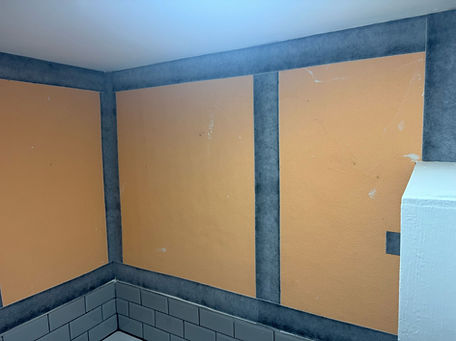
Dry-Flex is a moisture-resistant and salt-resistant membrane designed to prevent moisture ingress in walls and floors. This membrane is 1mm thick and made of flexible polyethylene sheet with polypropylene fleece layers laminated on both sides. The black fleece layer ensures excellent adhesion to the wall using a dry base flex adhesive, while the grey fleece layer ensures a strong bond to plaster.
Key benefits of this system include avoiding the need for plugs and drilling, thereby minimizing unnecessary penetration of the membrane. It accepts a plaster finish directly, is flexible and versatile, and provides a watertight seal with quick application.
Multiple different membranes for multiple different reasons. Some prevent water penetration from the outside, some stop salts from transferring onto the walls surface; we will be able to identify which membrane is most suitable for your property.
Membranes